Sensor technology for medical devices, sports performance gear, robotics, and many other products and applications

At ElastiSense Sensor Technology we are revolutionizing precision measurement with our advanced stretch sensors and strain gauges. The unique technology we use, offers high sensitivity and real-time data, enabling accurate monitoring of motion, strain, and pressure in dynamic environments. Stretch sensors and strain gauges from ElastiSense Sensor Technology are ideal for applications in medical devices, sports performance, robotics, automation, and many other applications.

Learn more about how these innovative solutions are enhancing industries Stretch Sensor & Strain Gauge Technology

Contact us if you want to know more, get your stretch sensors or strain gauges right here, or Watch the video for more inspiration

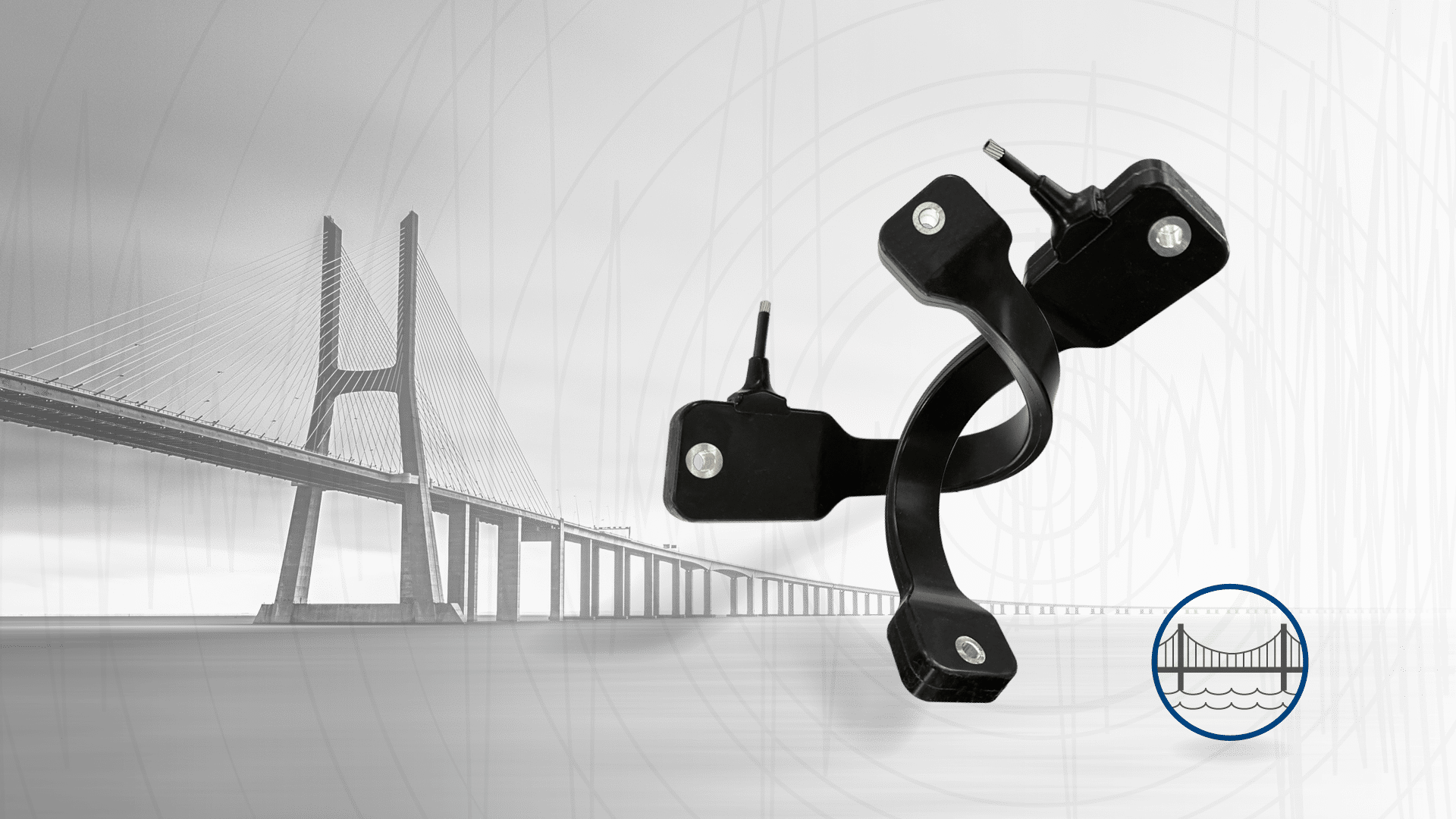
Embracing Digitalization: The Role of Structural Health Monitoring in Safeguarding Bridges.

In the rapidly evolving landscape of infrastructure management, ensuring the safety and longevity of bridges is paramount. Bridges, serving as critical links in transportation networks, endure relentless exposure to environmental stresses and heavy traffic loads. Hence, the need for vigilant monitoring and maintenance practices cannot be overstated. With the advent of digitalization, the field of Structural Health Monitoring (SHM) has emerged as a transformative solution, offering real-time insights into the condition of bridges and facilitating proactive maintenance strategies.

Understanding Structural Health Monitoring

Structural Health Monitoring (SHM) is a multi-disciplinary field that integrates various sensing technologies, data analytics, and communication systems to continuously monitor the condition of structures. In the context of bridges, SHM involves the deployment of sensors to collect data on parameters such as vibrations, strain, temperature, and corrosion levels. These sensors are strategically placed throughout the bridge structure to capture comprehensive information regarding its performance and structural integrity.

The Digitalization Paradigm

Digitalization has revolutionized traditional approaches to infrastructure management by leveraging advanced technologies to enhance efficiency, accuracy, and safety. In the realm of bridge monitoring, digitalization has enabled the seamless integration of sensor networks, data analytics platforms, and communication systems, fostering a holistic ecosystem for real-time monitoring and analysis.

Key Components of Digitalized Structural Health Monitoring Systems

  1. Sensor Technologies: Advanced sensor technologies, including accelerometers, strain gauges, and fiber-optic sensors, serve as the backbone of SHM systems, capturing real-time data on structural behavior and performance.
  2. Data Acquisition and Processing: High-speed data acquisition systems collect sensor data at regular intervals, while sophisticated algorithms process and analyze this data to identify anomalies, deviations from expected behavior, and early signs of structural deterioration.
  3. Wireless Communication: Wireless communication protocols enable seamless transmission of sensor data to centralized monitoring centers, allowing engineers and stakeholders to access real-time information from remote locations.
  4. Data Analytics and Predictive Modeling: Data analytics techniques, such as machine learning and predictive modeling, enable the identification of patterns and trends within large datasets, facilitating predictive maintenance strategies and proactive decision-making.
  5. Decision Support Systems: Integrated decision support systems provide engineers with actionable insights and recommendations based on real-time data analysis, empowering them to implement timely interventions and optimize maintenance schedules.

Benefits of Digitalized Structural Health Monitoring

  1. Early Detection of Structural Issues: By continuously monitoring key parameters, digitalized SHM systems can detect potential structural issues at an early stage, allowing for timely interventions and preventing catastrophic failures.
  2. Optimized Maintenance Strategies: Real-time data analysis enables engineers to develop data-driven maintenance strategies tailored to the specific needs of each bridge, optimizing resource allocation and prolonging the lifespan of critical infrastructure assets.
  3. Enhanced Safety and Reliability: By providing stakeholders with timely information on the condition of bridges, digitalized SHM systems enhance safety and reliability, minimizing the risk of accidents and disruptions to transportation networks.
  4. Cost Savings: Proactive maintenance and targeted interventions based on real-time data analysis help minimize repair costs and extend the service life of bridges, resulting in long-term cost savings for infrastructure owners and operators.

Challenges and Considerations

Despite the numerous benefits offered by digitalized SHM systems, several challenges must be addressed to maximize their effectiveness:

  • Data Security and Privacy: Safeguarding sensitive sensor data from cyber threats and ensuring compliance with privacy regulations is essential to maintain the integrity and trustworthiness of SHM systems.
  • Interoperability and Standardization: Establishing common standards and protocols for data exchange and interoperability among different SHM systems is critical to facilitate seamless integration and collaboration across infrastructure networks.
  • Cost and Scalability: While the cost of sensor technologies and data analytics platforms has decreased in recent years, ensuring the scalability and cost-effectiveness of SHM systems remains a key consideration for infrastructure owners and operators.

Conclusion

In an era defined by rapid technological advancements and digital transformation, the adoption of digitalized Structural Health Monitoring (SHM) systems represents a paradigm shift in bridge maintenance practices. By harnessing the power of advanced sensor technologies, data analytics, and communication systems, these systems empower engineers to monitor bridges in real-time, detect potential issues early, and implement proactive maintenance strategies. As we continue to embrace the digitalization of infrastructure management, the widespread adoption of SHM systems will play a pivotal role in safeguarding bridges, enhancing safety, and ensuring the resilience of transportation networks for generations to come.

Learn more about bridge monitoring right here, or contact us if you wish to discuss specific projects

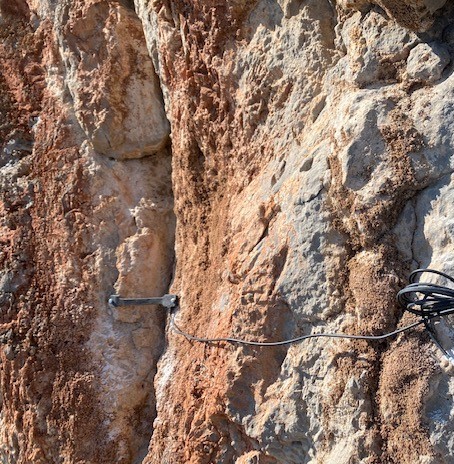
Monemvasia Castle, Greece

The advantages of crack monitoring include early detection of structural issues, which helps prevent catastrophic failures. By identifying cracks at their early stages, it reduces repair costs, enhances safety, and extends the lifespan of infrastructure like buildings and bridges. Continuous monitoring provides real-time data, enabling predictive maintenance and reducing the need for manual inspections. This proactive approach ensures timely interventions and optimizes resource allocation, making maintenance more efficient and cost-effective.

DS Displacement Sensors from ElastiSense Sensor Technology, are designed to detect and measure the smallest cracks in structures. These sensors provide precise data, enabling real-time monitoring and early detection of potential structural failures in buildings, bridges, and other critical infrastructure. The robust design ensures durability in harsh environments, enhancing safety and reducing long-term maintenance costs.

For more information, visit ElastiSense Crack Monitoring.

Stor traktor

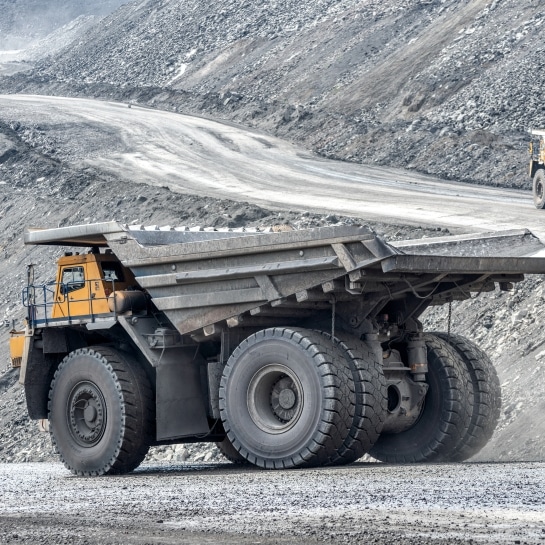
Safety and efficiency are key factors in the realm of heavy vehicles, whether it’s massive trucks navigating highways or heavy machinery operating in construction sites, or even military vehicles operating at the front line.

Displacement sensors play a crucial role in various aspects of heavy vehicle operation, enhancing safety, efficiency, and performance in numerous applications, such as:

  • Suspension monitoring
  • Load monitoring
  • Hydraulic system monitoring
  • Steering & alignment monitoring
  • Brake monitoring
  • Chassis flex monitoring
  • or anything else you can imagine that needs monitoring on a heavy vehicle

Overall, displacement sensors play a vital role in monitoring critical parameters and ensuring the safe and efficient operation of heavy vehicles across various industries. From suspension monitoring to load balancing and hydraulic system monitoring, these sensors provide valuable insights that help optimize vehicle performance, enhance safety, and prolong equipment lifespan.

Learn more about heavy vehicles right here or specific heavy vehicle applications right here.

Contact us directly, if you wish to know more, or have a project where sensor technology from us can add value!

Sensor Testing

It’s a tough World out there, so this is how we test our sensors to ensure they are prepared for virtually anything! Watch the video and learn how we expose the sensors to changing temperatures, submerge them in water, high-pressure wash them (not that they need washing!), leave them outside for days, and stress-test them in every thinkable way.

Wish to learn more about our insanely well-tested sensors? Give us a call, send us an email or fill in the form to have us contact you.

While monitoring cracks in bridges, buildings, dams, piers, and other underwater structures or structures exposed to rough weather, presents significant challenges, it’s essential for ensuring safety, environmental protection, and long-term sustainability.

The Business benefits, are many, including risk mitigation, enhanced Asset Management, improved reputation, competitive advantage and regulatory compliance.

Learn more about our learnings and experiences with crack monitoring, right here: The importance of Crack Monitoring

You are always welcome to contact us if you have a project where you believe our sensors can be useful

IoT

IoT has become a bit of a buzzword today, but what does it really mean? Obviously, the definitions vary, but we found this definition which sums up pretty well what the basic understanding of IoT is: “The Internet of things (IoT) describes devices with sensors, processing ability, software and other technologies that connect and exchange data with other devices and systems over the internet or other communications networks.” The definition describes IoT as “devices with sensors”, which pretty much rules out our product (the DS sensor) because that is, in fact, a sensor! This explains why we typically describe our sensors as “IoT ready”, because that is exactly what they are.

Let us explain:

DS sensor mounted on a bridge, a building a hillside, a stamping machine, a mining train, an excavator, a packaging machine, a tank, or whatever structure, machine, or application you can imagine, basically just detects movement through influence on the sensor itself. If the crack in the concrete on the bridge expands, it simply pulls the two ends of the sensor from each other, thus changing the data coming from the sensor. This data is typically transmitted directly to a sensor node or datalogger which then sends the data to the receiver. If this data is transmitted to the receiver through the internet, for example through a cloud solution, it becomes IoT. This is exactly what our sensors are built for and exactly what makes them IoT ready. Add to that the option of running the sensor on battery power, you can monitor on displacement or movement in remote locations, with no power supply, and pick up the data wherever you are.

All our DS Sensors are born IoT ready, and the battery solution is an add-on feature, also available for all DS sensors.

Don’t hesitate to reach out if you want to know more or if you believe IoT-ready sensors can ad value to your application.

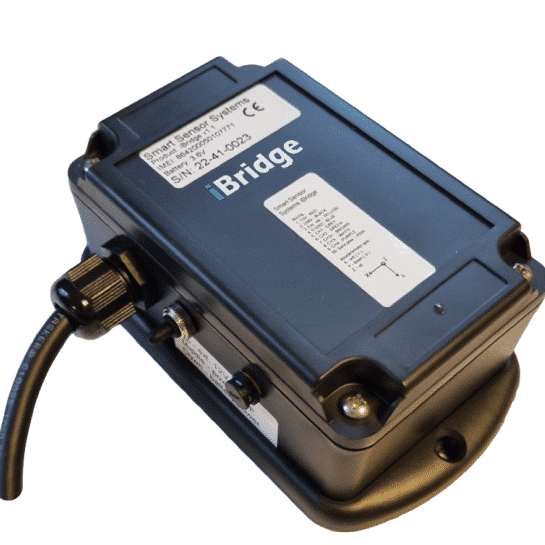
Thanks to our very close partnership with Smart Sensor Systems from Norway, we now have the opportunity to offer our customers the state-of-the-art data logger, iBridge.

iBridge loggers can be connected to most sensors, including our DS Sensors.

You can purchase iBridge data loggers and DS sensors in our web shop or you can contact us directly if you need us to tailor a quote to your specifications.

You can also, of course, contact Smart Sensor Systems directly.

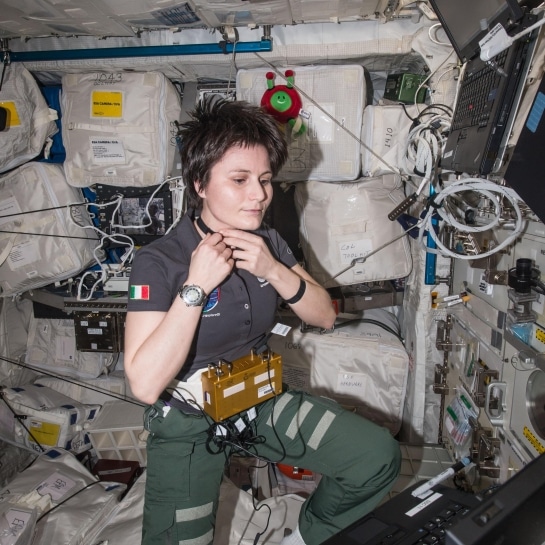
Some years ago, LEAP Technology, which is now merged with ElastiSense Sensor Technology, was engaged in a very interesting and fun project with the European Space Agency (ESA), which ultimately resulted in stretch sensors being sent into space.

In short the purpose of the project was to monitor blood flow from the brain back to the heart. The sensors were worn on the neck and wrist of the Italian astronaut depicted here.

To this day, ElastiSense Sensor Technology products are still used in research projects in both ESA and NASA. We (im)patiently await the next time we get to go into space, hoping they will need some sensor experts to accompany the products on the long journey 🙂

Bridge monitoring field study in Virginia

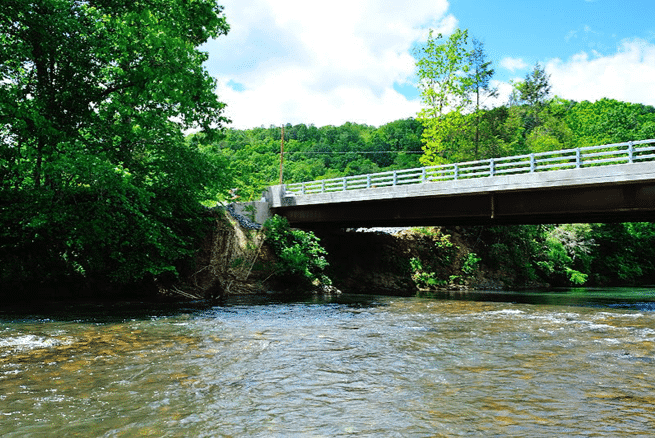
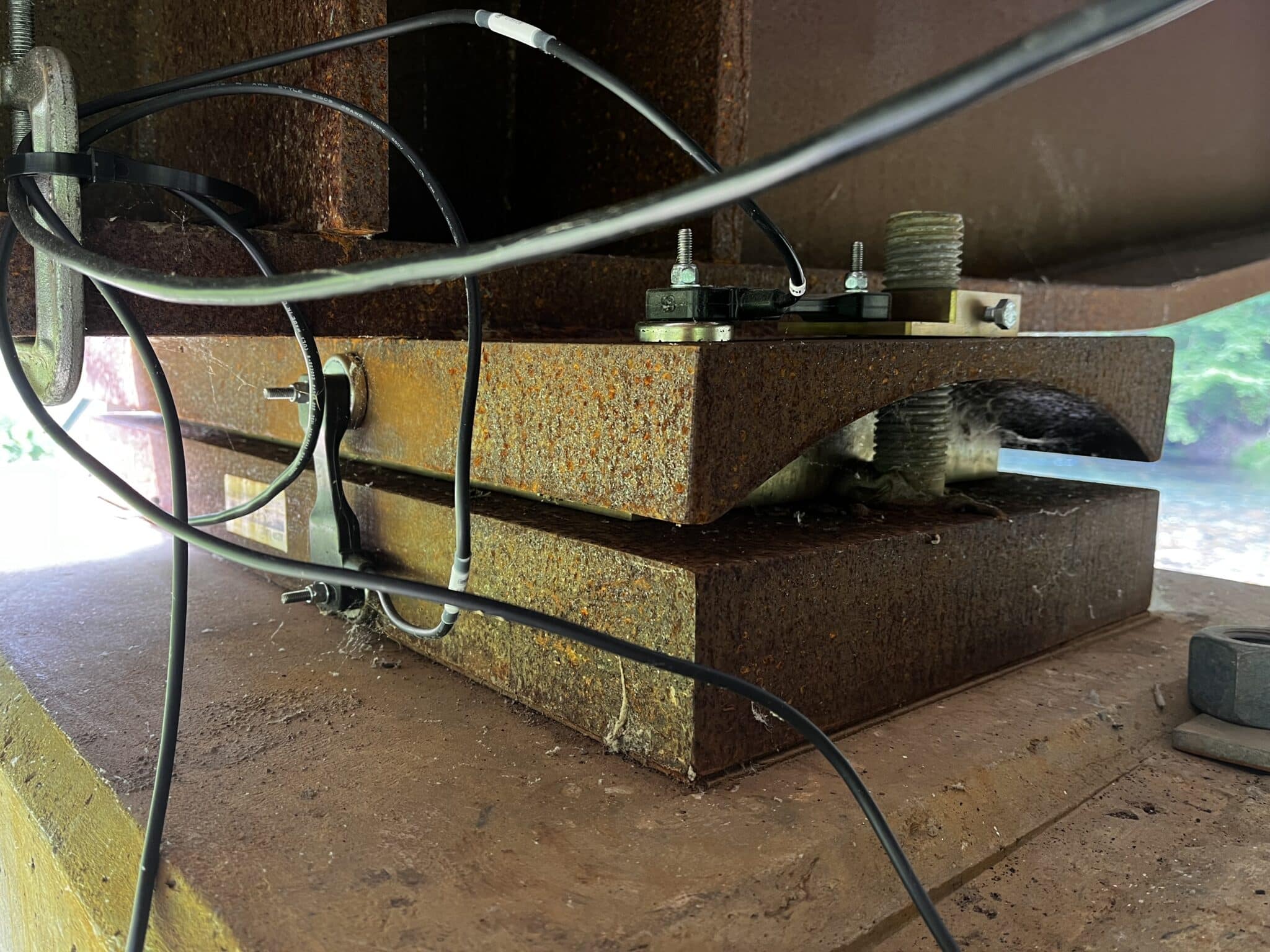
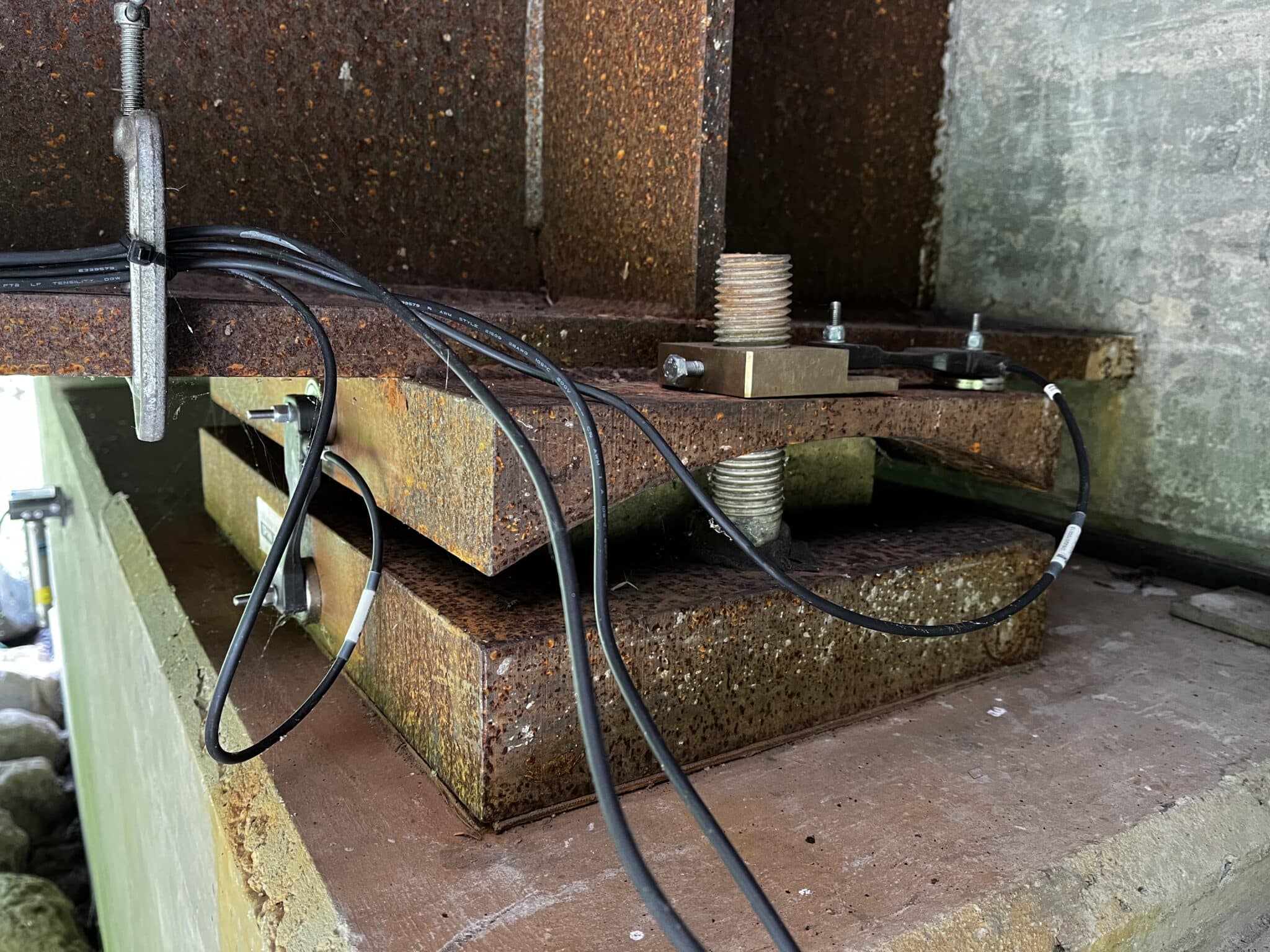
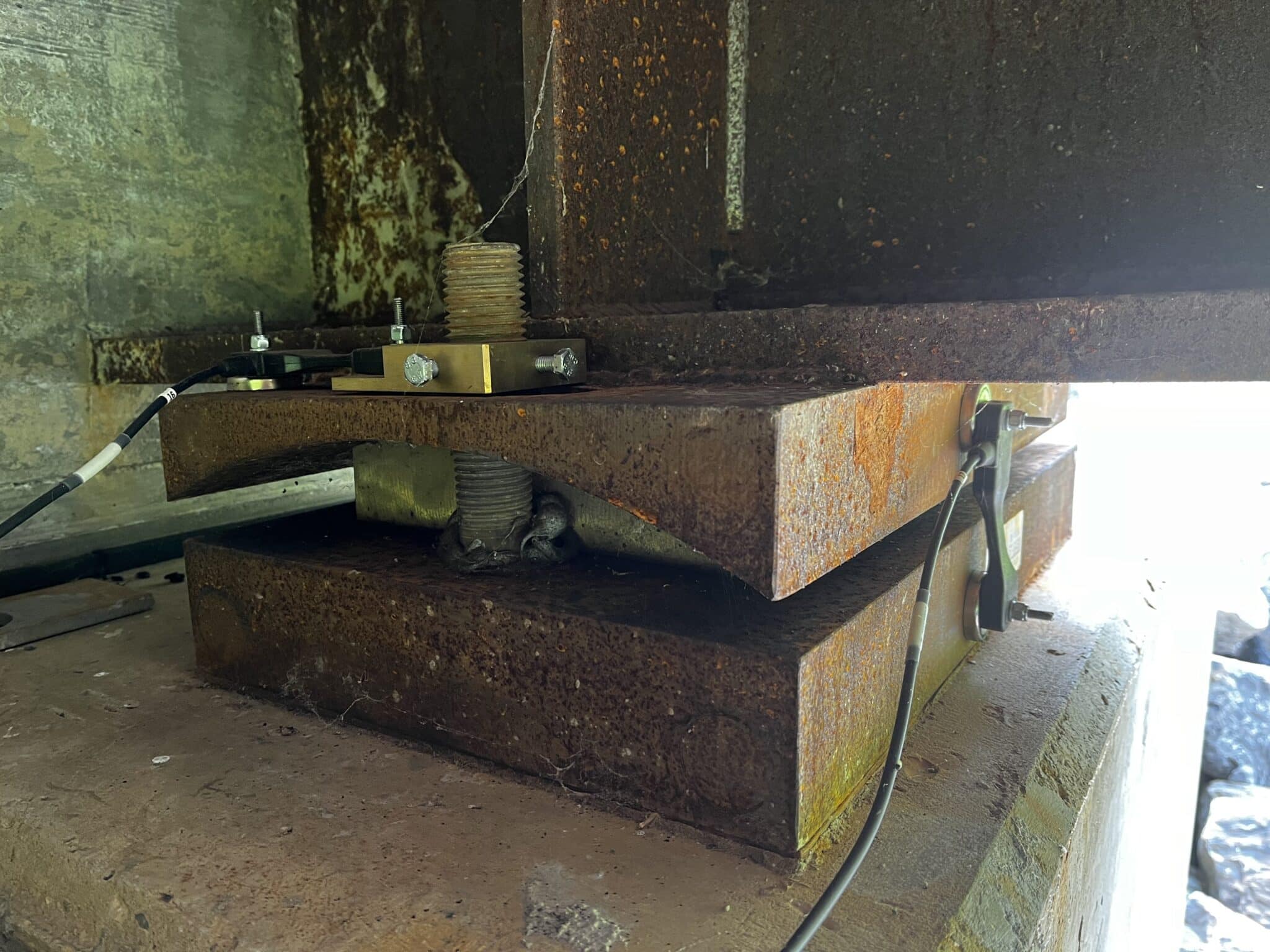
Just like many other places around the World, Virginia has a lot of bridges in all shapes and forms. Most bridges in Virginia are the responsibility of the Virginia Department of Transportation (VDOT). This is also the case for the Rte. 638 Integral Bridge, which is the subject of as field study conducted by the Virginia Transportation Research Council (VTCR). The relatively new bridge is situated in Alleghany County in Virginia and crosses over Jackson River.

The purpose of the field study is to analyze stresses and forces due to thermal effects, which corresponds perfectly with the general ongoing trends towards excessive monitoring of bridges.

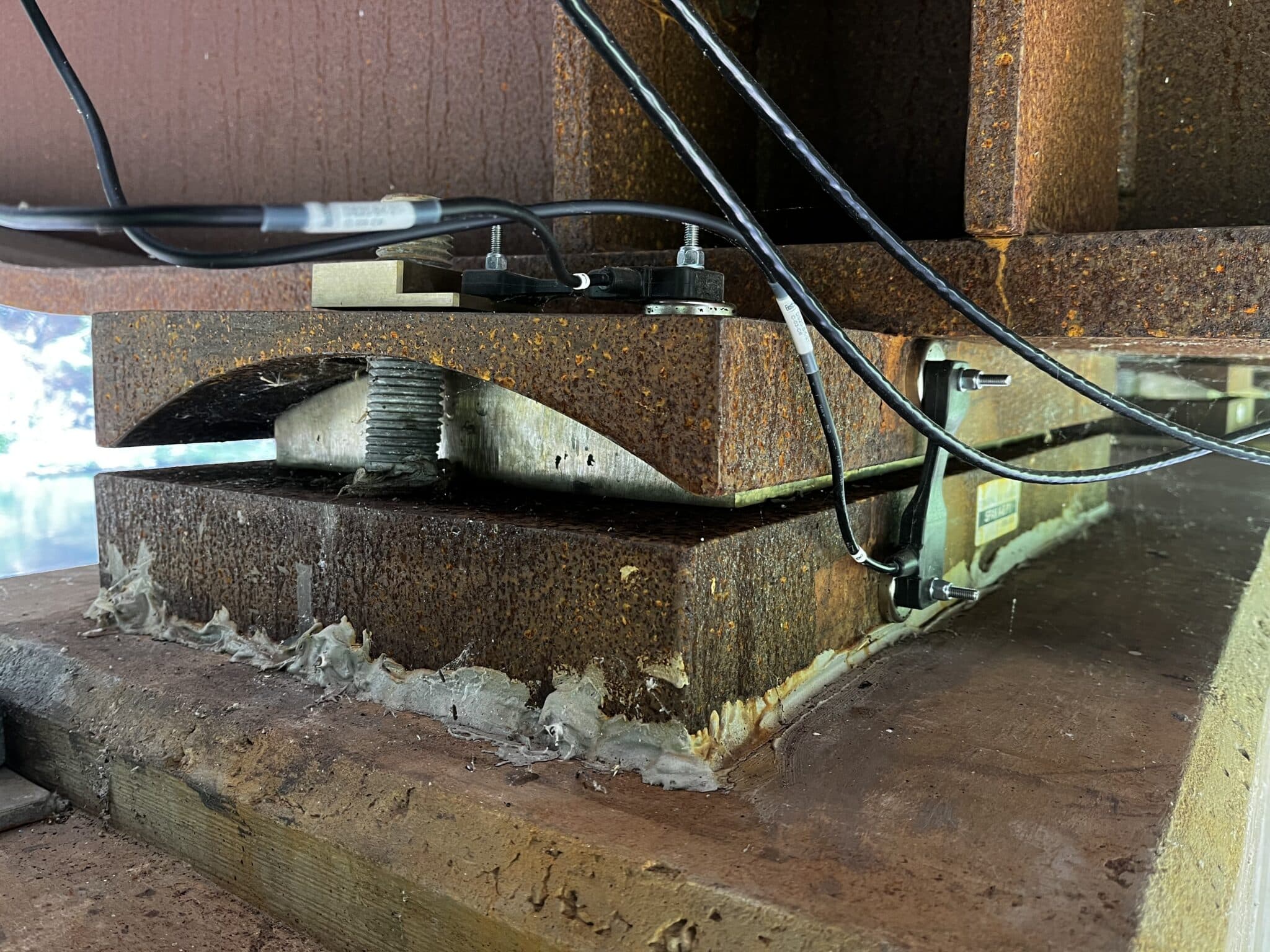
DS Sensors from ElastiSense Sensor Technology are used in this field study to monitor longitudinal expansion and tilt/angel of the bridge, both in relation to shifting weather/temperature changes during a day, as well as with changing seasons. The sensors are placed on the bearings of the bridge  in different angels and positions and continuously  deliver data through a datalogger.

The DS sensors are just part of a bigger set-up including other sensor types and other equipment, which ultimately serves the purpose of teaching us more about the effects of different external influences on bridges.

Learn more about bridge monitoring right here or contact us if you have a bridge monitoring project and believe our sensors can make a difference to you.